
Videos
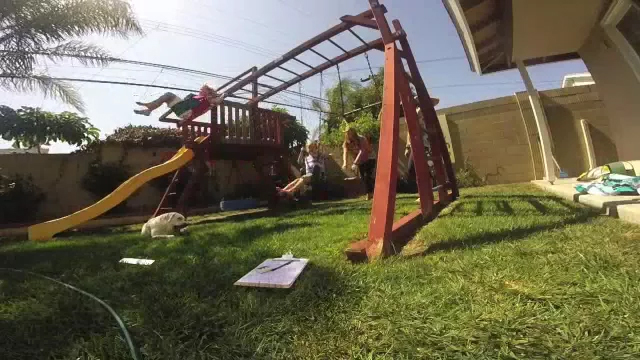
A Day in the Life of an ECI
All of the clients with whom we work are so different; which means that the structure of the sessions are different based on the specific needs and goals for that specific child. Here is a snapshot of one type of session that involves following a schedule (to enhance predictability and compliance); teaching strategies embedded in developmentally appropriate, natural activities (to promote meaningful generalization); and a lot of parent participation. Why does the session look like this? Because the senior clinician (e.g., the BCBA) has determined – and the child’s performance has verified – that the structure and strategies incorporated into this session are the optimal methods to address this child’s treatment goals. Bottom line – No two sessions are alike.

Teaching Eye Contact
Many children with whom we work do not make consistent eye contact in social situations. This is a significant impediment to learning and development. At Coyne, we use a unique, research-based method to teach all of our children to spontaneously look and attend to caregivers. This initial investment in teaching this key social skill yields huge rewards as the child works on advanced language and play skills during subsequent phases of intervention.

Matching to Sample
Typically-developing children learn to think and understand by making associations in the environment. Things that “Match” or are the same become associated together. Eventually words and labels become associated with objects and people, etc. Deficits in attending may impede the development of this domain in some toddlers with delays.
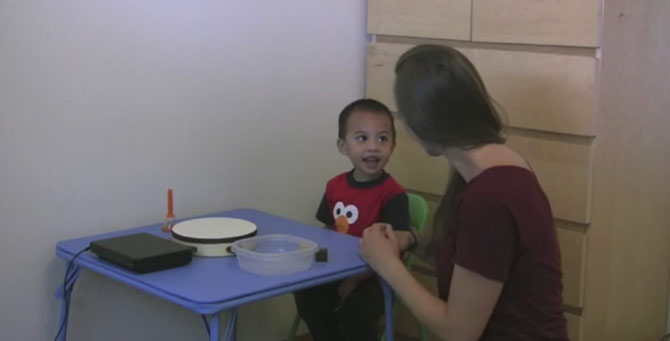
Non-verbal Imitation
Imitation and Observational Learning are critical skills that enable children to learn play and language skills just from watching others. That is why we prioritize the development of this skill early in the intervention process.
Web Resources
BACB
Launch Behavior Analysis Certification Board
Launch Video Description of Applied Behavior Analysis
Launch What is BCBA?
Launch Becoming a BCBA
Launch Maintaining BCBA Certification
ABA/Autism Organizations
Launch Association for Behavior Analysis International (ABAI)
Launch California Association for Behavior Analysis (CalABA)
Launch Association of Professional Behavior Analysts (APBA)
Launch Cambridge Center for Behavioral Studies
Launch The Council of Autism Service Providers (CASP)
Early Childhood Resources
Launch Division for Early Childhood
Recommended Books

Applied Behavior Analysis (2nd Edition)
Cooper, Heron, and Heward

Ethics for Behavior Analysts (3rd Edition)
Jon Bailey and Mary Burch

Teaching Language to Children with Autism or Other Developmental Disabilities
Mark Sundberg and James Partington

Verbal Behavior Analysis
Douglas Greer and Denise Ross
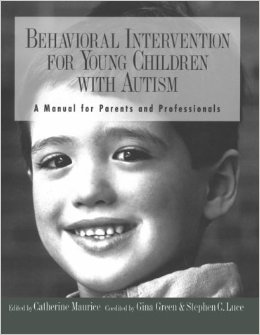
Behavioral Intervention for Young Children with Autism
Maurice, Green, and Luce
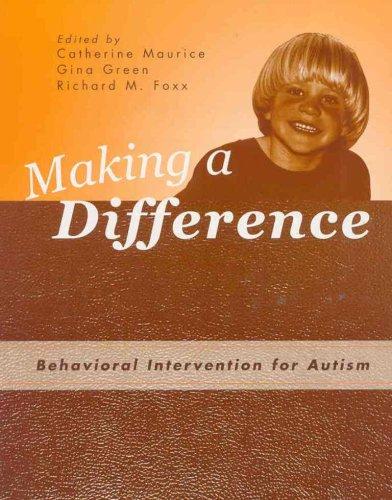
Making a Difference
Maurice, Green, and Foxx